
By late October, secondary science departments reach a predictable inflection point. Seven weeks of practicals, lab safety and navigating Key Stage 3 timetables leave staff and pupils operating on depleted cognitive reserves.
This pre-half-term dip is a physiological reality of the autumn term. For senior leadership teams (SLTs), SENCOs and Heads of Science, Week 8 presents an operational challenge.
The Dual Cognitive Bottleneck of Week 8
During the final fortnight before half term, two distinct pressures collide in the science corridor:
Pupil Cognitive Fatigue | Staff Workload Accumulation |
Working Memory Bottlenecks: Slower verbal processing makes reading dense text exhausting. | Marking Stacks: Accumulation of formative assessment books and practical write-ups. |
Task Paralysis: Vulnerability to executive dysfunction, particularly among neurodivergent pupils. | Transition Friction: Emotional and behavioral energy spent settling classes and coaxing fatigued pupils through task initiation. |
Anxiety Spikes: Timed tests or high-stakes marking trigger task avoidance. | Burnout Risk: Late nights grading assessments right before a rest week. |
To avoid executive function overload for pupils and reduce the risk of burnout for teachers, there are evidence-based strategies to support active learning which are particularly helpful for this time of the year.
Evidence-Based Retrieval Strategies for KS3 Science
Three evidence-based accessible frameworks for retrieval practice that can be helpful at this point in the term:
- Visual Schema Mapping (Dual-Coding): Ask pupils to complete an unlabelled visual model, such as a food web. Combining visual and verbal learning reduces working memory demands and literacy barriers, helping pupils demonstrate understanding.
- Open-Ended Free Retrieval: Give pupils two minutes to sketch or write everything they recall on mini-whiteboards. This reduces task paralysis and performance anxiety while providing teachers with an instant, marking-free assessment of understanding.
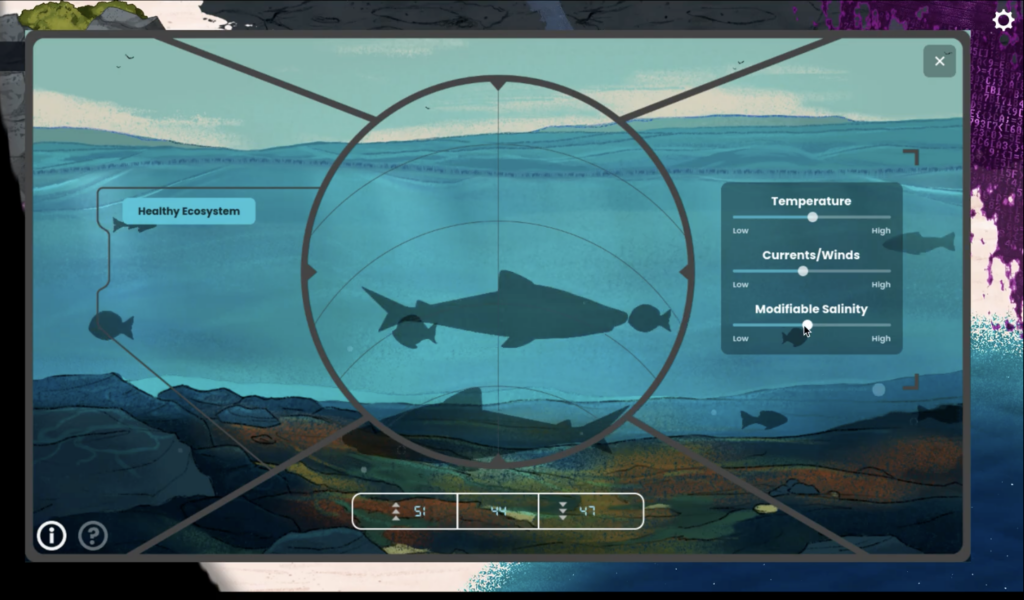
- Interactive Variable Manipulation: Use digital simulations that allow pupils to adjust variables and observe immediate results. Real-time feedback encourages active discovery, hypothesis testing and independent self-correction
High-Friction Revision | Low-Stakes Visual Retrieval |
Dense, text-heavy past-paper tasks | Diagram completion & interactive interface |
High working-memory literacy load | Low working-memory visual mapping |
Generates manual teacher marking | Automated / instant visual feedback |
Higher risk of disengagement/anxiety | Accessible entry points for SEN/ND |