
This week is World Space Week – “an international celebration of science and technology and their contribution to the betterment of humanity.”
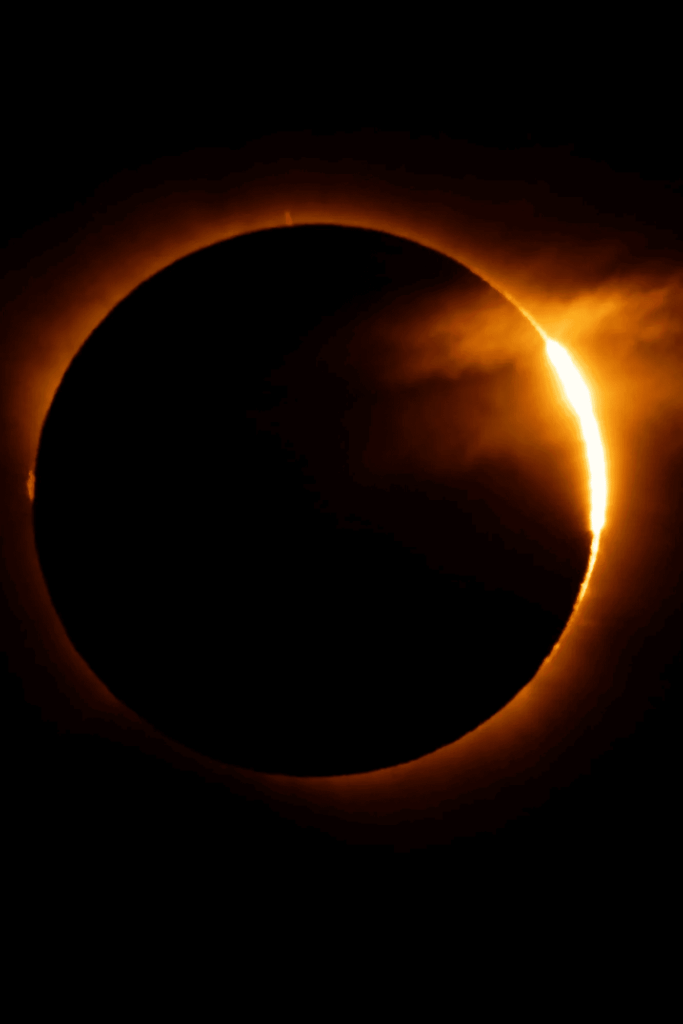
It’s a timely reminder of just how extraordinary science can be – something anyone who witnessed this summer’s eclipse will have felt first-hand.
Look up at the night sky and consider that the light reaching us from some stars began its journey hundreds or thousands of years ago. That humans have walked on the Moon. That spacecraft are now travelling beyond our solar system. Or that we can use satellites orbiting hundreds of kilometres above Earth to help predict the weather, navigate a car journey and monitor changes to our planet.
Science helps us understand our world and it also gives us the tools to change it.
From vaccines and medical imaging to renewable energy, telecommunications and space exploration, scientific discovery has transformed how we live. And the next generation will be tackling some enormous challenges of their own: climate change, sustainable energy, food security, new diseases and perhaps even establishing a human presence beyond Earth.
So how do we encourage more children to be part of it?
Perhaps we start with curiosity rather than curriculum.
Children are natural scientists. They ask questions, experiment, take things apart and want to know why. Yet as they get older, science can sometimes begin to feel less like discovery and more like something to learn for an exam.
Keeping that sense of wonder alive matters.
We can encourage children to watch the night sky, visit science museums, experiment, build things, play games, watch documentaries and follow the stories of scientists and inventors. We can talk about the questions science hasn’t answered yet, rather than only the facts it already has.
And importantly, we can show them that science is about people.
Galileo looking through his telescope and seeing moons orbiting Jupiter. Katherine Johnson calculating trajectories that helped send astronauts into space. Scientists today working on everything from artificial intelligence to cures for cancer.
Science isn’t simply a collection of facts in a textbook. It’s a way of looking at the world: observing, questioning, testing ideas and being prepared to think differently.
This World Space Week, perhaps the best thing we can do is encourage our children to keep asking questions – because we never know where those questions might take them.