
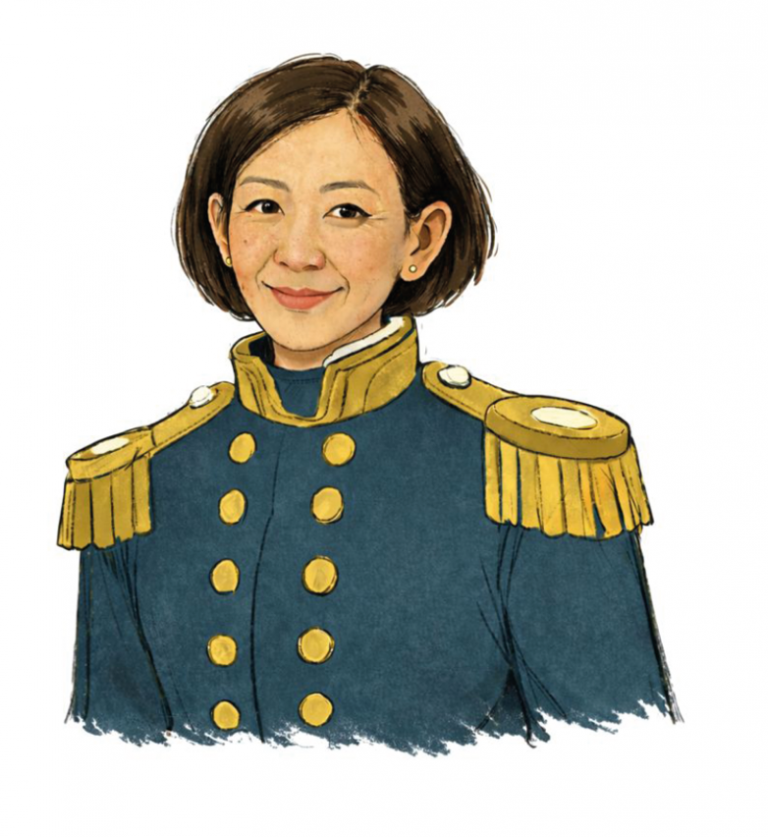
Our vision for The Vault has always been simple: to help children engage with learning.
We believe all children are curious. The challenge is finding the right hook to capture that curiosity and keep it.
Technology has transformed almost every part of children’s lives. Yet, for many, learning can still look remarkably similar to how it did when we were at school and perhaps even when our parents were too.
So, with The Vault, we’re bringing together two incredibly powerful forms of engagement: the technology children choose to spend time with outside school -video games – and one of the oldest forms of human communication – storytelling.
Why stories?
We all remember a great story. We care about the characters. We want to know what happens next. We become emotionally invested.
And importantly for learning, facts are easier to understand and remember when they have meaning and context. Instead of learning a fact in isolation, a child discovers why it matters, uses it to solve a problem and connects it to a bigger story.
That thinking is at the heart of The Vault.
Our overarching story is a sci-fi adventure set far into the future, where players become agents on a mission to help save Earth. Within that world, they travel back through time and become immersed in the remarkable true stories of people who changed our world.
Charles Darwin is the first. Galileo, Marie Curie, Katherine Johnson and others will follow.
Their stories provide the framework into which we weave Key Stage 3 curriculum learning. Rather than simply reading about adaptation, evolution or ecosystems, for example, players can explore, investigate, gather evidence, make decisions and solve problems within Darwin’s world.
From reading about it to experiencing it
This is where we think story-driven games can add something very different to a textbook or worksheet.
The learner isn’t simply receiving information. They are doing something with it.